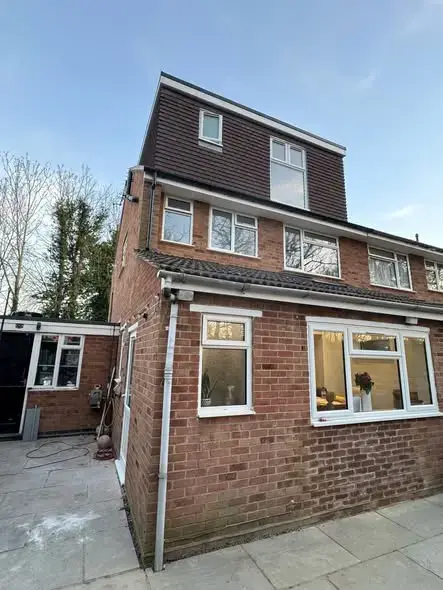
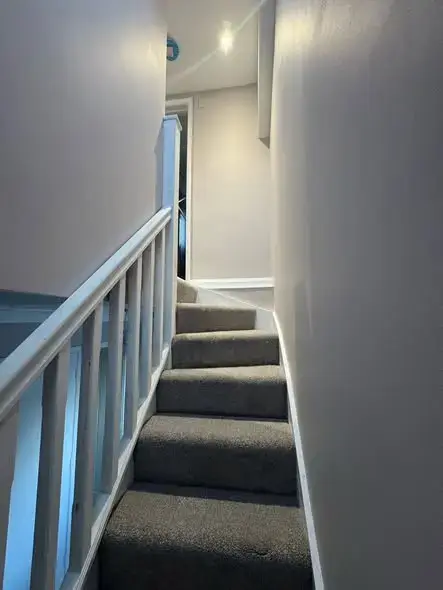
When bedrooms, work space or storage feel limited, Harpers plans head height, structure, stairs and safe access so your loft becomes useful living space.
Check the Loft First
We check head height, access, roof structure and the space available before planning work.
Plan Structure Early
Roof changes, steels and floor support are planned before the main loft work starts.
Safety Built In
Stairs, insulation, fire doors and escape details are planned into the conversion early.
Extend a hipped roof to gain more usable loft space where allowed.
Create more headroom and floor space with a dormer built into the roof.
Add usable space with roof windows where the existing roof allows.
Reshape the roof to create a larger loft area, subject to approvals.
Turn attic space into a bedroom planned around light and storage.
Add bathroom space with drainage, ventilation and services considered.


07798 622 171
Planning the details early helps your loft conversion move in the right order, with clearer decisions around head height, structure, stairs, safety and finishes.
Some loft conversions may fall under permitted development, while dormers, mansards, roof changes and certain homes may need planning permission. Harpers helps you understand what needs checking before work starts.
Loft conversions usually need Building Regulations approval for structure, fire safety, stairs, insulation, ventilation, electrics and safe access. Harpers helps plan the right checks into the work.
The new staircase needs safe access, sensible head height and a layout that works with the existing home. Harpers considers these details early so the loft feels practical to use.
Loft fire safety can affect doors, alarms, stairs, escape routes and how the upper floor connects to the rest of the home. These details need planning before work moves too far.
Costs and timings depend on roof type, structure, dormer size, stairs, en suite work, insulation, windows, access and internal specification. Clear scope helps shape a better quote before work begins.

Many loft conversions can be permitted development. Dormers facing the highway, mansards, hip-to-gable changes and barn conversions often need full planning. We review your home and advise the simplest route, then handle drawings and submissions. See Home Extensions page for more on approvals.
Yes. Loft conversions usually need Building Control because structure, stairs, insulation, fire safety, electrics and ventilation are usually affected before sign off. You can also read LABC guidance on Building Regulations for loft conversions.
Costs vary with structure changes, stairs, glazing and insulation requirements. We provide clear conversion cost estimates with options, so you can prioritise what matters.
Expect checks on structure, fire escape (Part B), stairs (Part K), insulation and energy (Part L), ventilation (Part F) and electrics (Part P). We coordinate with Building Control and provide all required documentation.
Head height affects whether the loft can become useful living space. Harpers can assess the roof space and explain what may be practical before plans move ahead.
Harpers Loft Conversions
Your loft conversion quote should reflect the roof, structure, stairs, room layout and safety needs. Harpers helps you understand the next step before you commit.
Share your plans, photos or early ideas and what you want the loft to become. Harpers can help you decide whether the next step is a site visit, scope discussion or quote request.
Fill out the form and we will come up with a clear pricing quote.